Transverse Tibial Bone Transport for a Non-Healing TransmetatarsalAmputation and Peripheral Arterial Disease
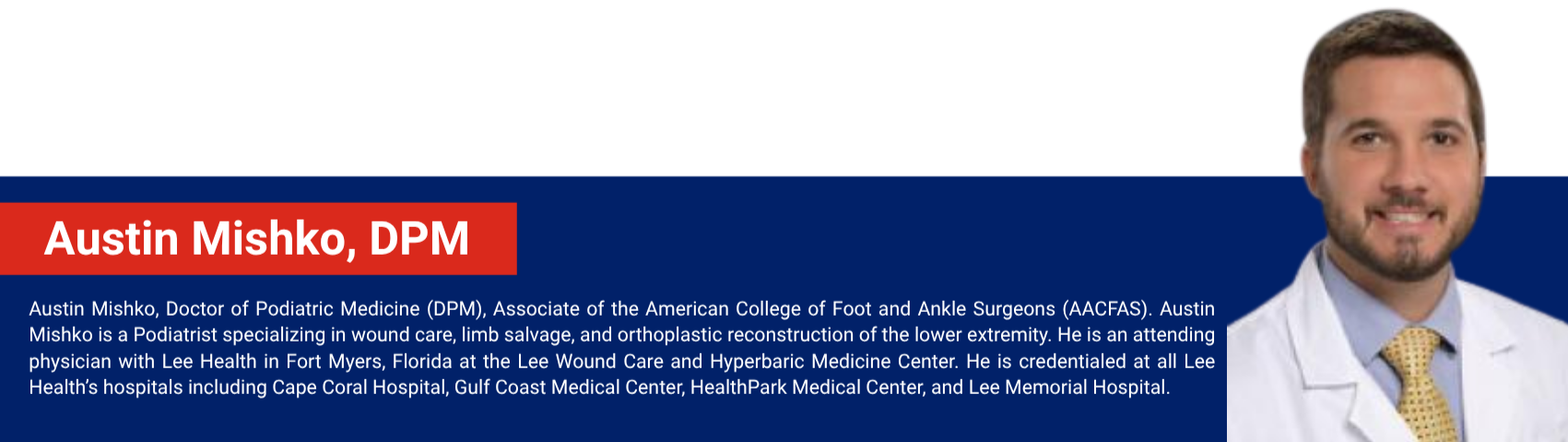
Case study courtesy of: Austin Mishko, DPM
When an Amputation Wound Would Not Heal, Oxygenation Data Helped Guide the Path Forward.
See how Dr. Austin Mishko, DPM, used SnapshotNIR to track tissue oxygenation throughout transverse tibial bone transport and ongoing wound care, supporting a limb preservation effort that achieved complete wound closure and a return to walking.
The patient was a 53-year-old man with type 2 diabetes and severe peripheral arterial disease who had already undergone a transmetatarsal amputation. Nine weeks later, the incision remained unhealed and had developed dry gangrene. Preserving his leg required a new approach.
SnapshotNIR provided objective StO2 measurements at the point of care, documenting initially low tissue oxygenation and subsequent improvements throughout treatment. These findings supported Dr. Mishko’s clinical assessment and gave the team confidence to continue wound care and weekly debridements until closure.
Download the case study to see the full healing process.
The Impact of snapshotNIR
“The SnapshotNIR device allowed our team to document initial lack of soft tissue oxygenation and improvement in tissue oxygenation throughout the transverse tibial bone transport process. The improvement in soft-tissue oxygenation throughout the procedure process gave our team confidence to continue wound care and weekly debridements until the incision site was
finally healed.”